pricing
to sustain others, the practice must sustain me.
i use a self-assessed sliding scale so that access and sustainability can coexist. consider the rate that reflects your current reality. if you're between two rates, take the lower one. no proof at any tier, and i’m not assessing anyone’s answer.
90 minutes is where this work does what it does. if you can, start there.

resourced
£95 — 60 mins
£130 — 90 mins
£160 — 120 mins
for those with stable income, savings, access to family wealth or financial support. choosing this rate is what keeps the lower tiers open, and contributes to grassroots community fundraising.
two sessions at the resourced rate make one supported session possible.
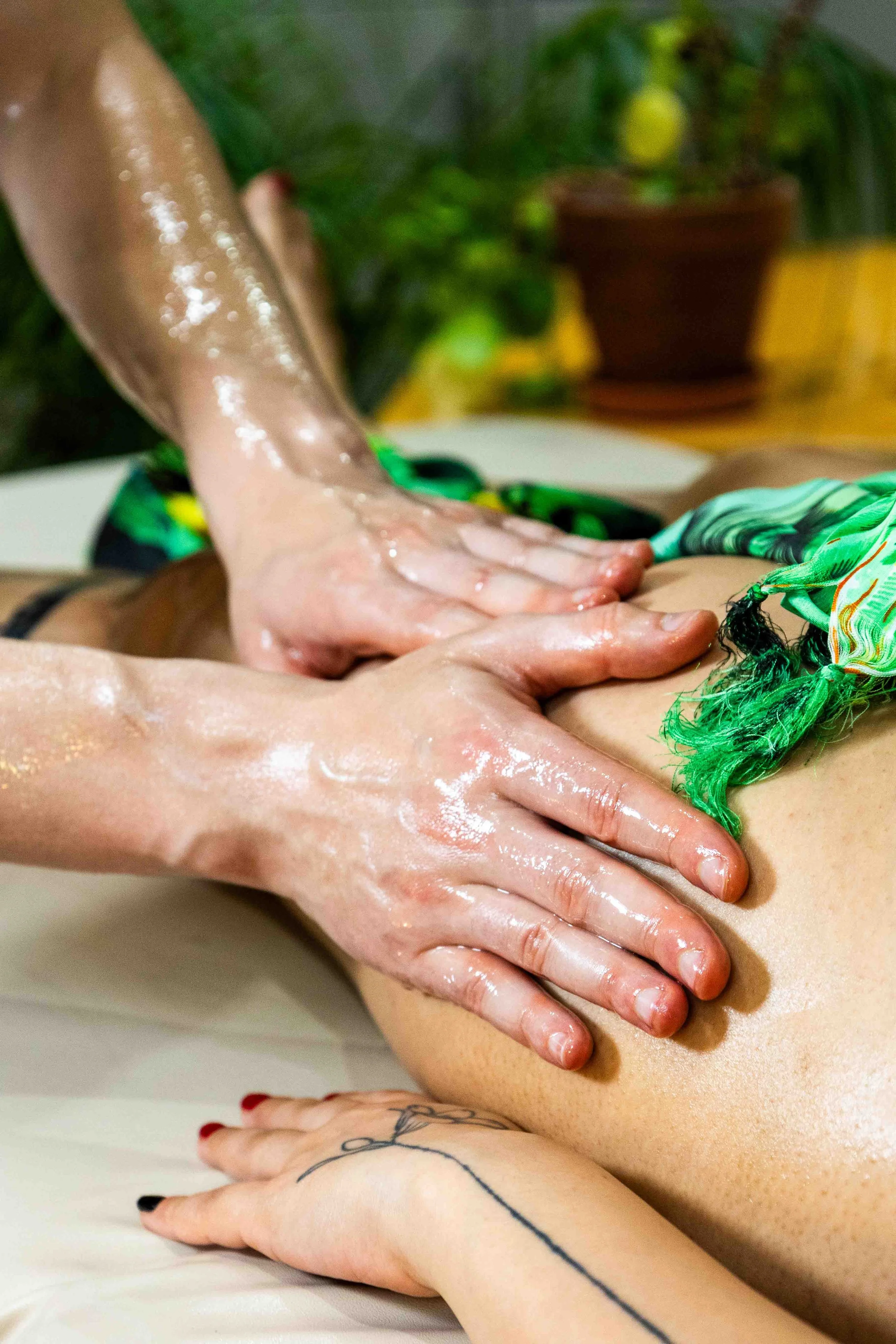
sustained
£80 — 60 mins
£110 — 90 mins
£140 — 120 mins
for those meeting their needs but without financial excess.
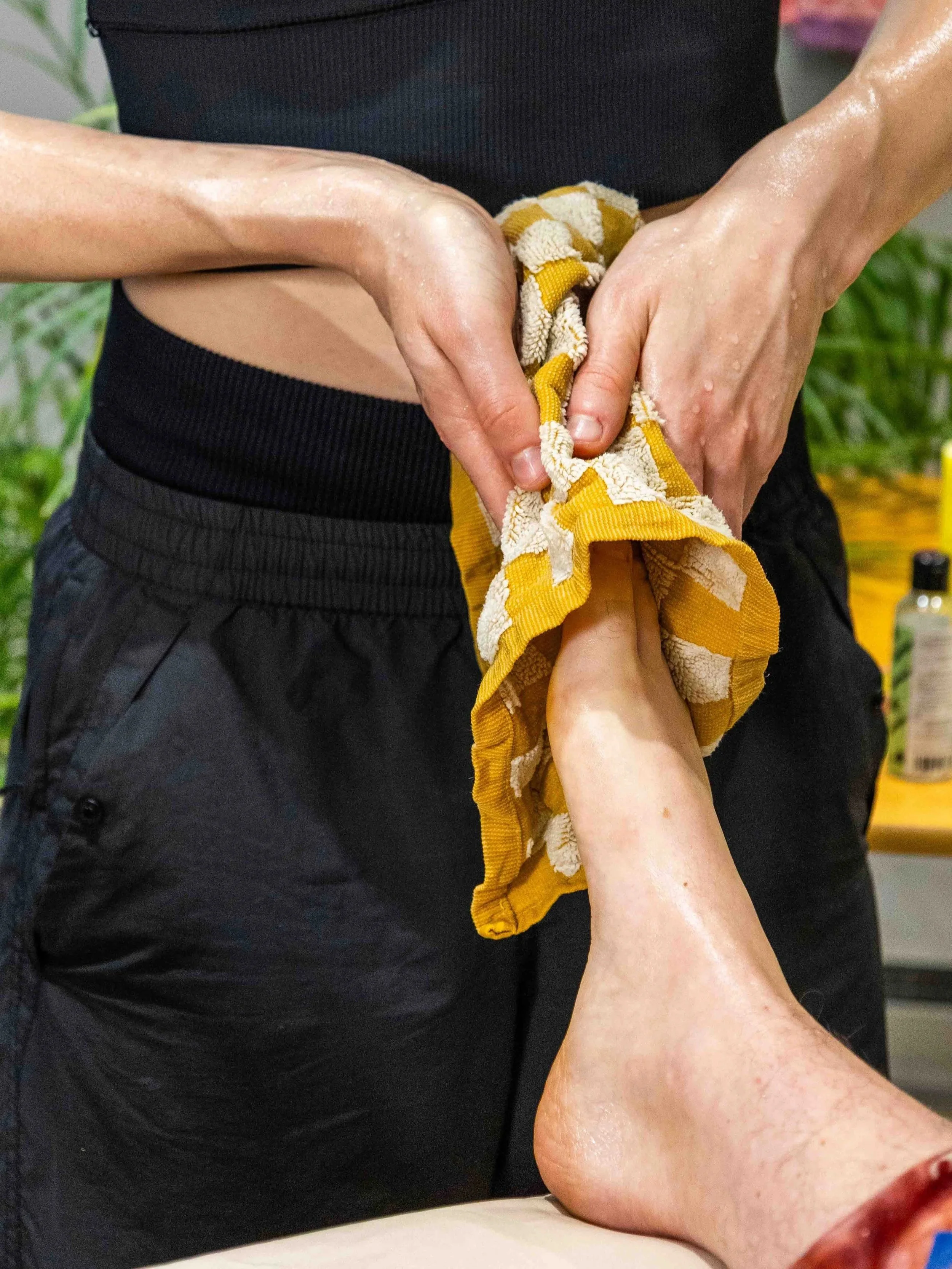
supported
£65 — 60 mins
£85 — 90 mins
£105 — 120 mins
for those navigating universal credit, unstable work, immigration precarity, housing insecurity or difficulty meeting basic needs. four supported sessions are available each month. no proof required. you’re trusted.
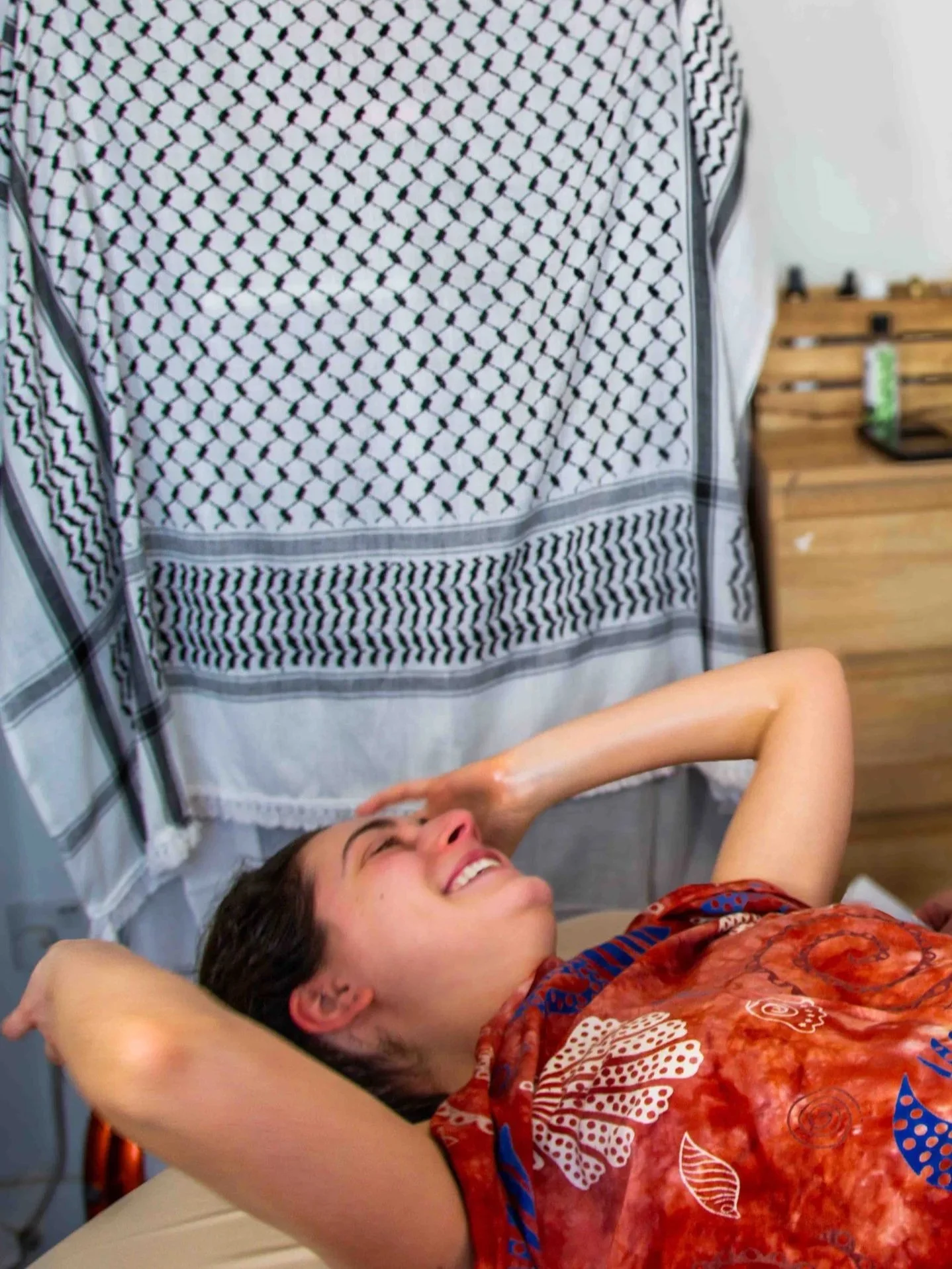
community access
pay what you can
if cost is the only barrier between you and receiving care, please reach out. i hold two community access sessions every month. i’d rather have a conversation than have you silently rule yourself out.
three-session series
three 90-minute sessions over six to eight weeks. this work is slow by design, and it changes more across three sessions than one.
£350 — resourced · £300 — sustained · £230 — supported
60 minutes is around 45 on the table, once we’ve talked at the start and given you time to land at the end. good as a first visit or a return between longer sessions. 90 gives your nervous system time to settle before the work really starts. 120 gives room for longer holds, more time in each area, and a slower landing at the end.
a note on lengths
why these rates?
london’s expensive. travel, studio hire, training, tax and basic living costs are real. in order for this work to exist long-term, especially outside corporate spa environments, it has to sustain me.
many in the communities I centre are navigating financial precarity and houselessness.
I live inside that tension too.
sliding scale is inspired in part by alexis j. cunningfolk’s green bottle method.
it’s one way decolonial practitioners attempt to hold two truths inside capitalism:
that care should be accessible, and that the person offering it shouldn’t be underpaid and burnt out.
sliding scale works when those with more contribute more.
when sessions are booked at the resourced rate, part of that support enables lower-cost community access sessions and contributes periodically to grassroots community fundraising. if you're between two rates, take the lower one.
this practice and my livelihood will be sustained collectively, session by session, not funded by neoliberal institutions or investors.
hopefully, this structure keeps the work viable and the door open.